The AI-powered platform for companies that distribute through third-party networks. Distribution management, sales force automation, competitive intelligence, trade marketing, and retailer loyalty - one platform, one source of truth.
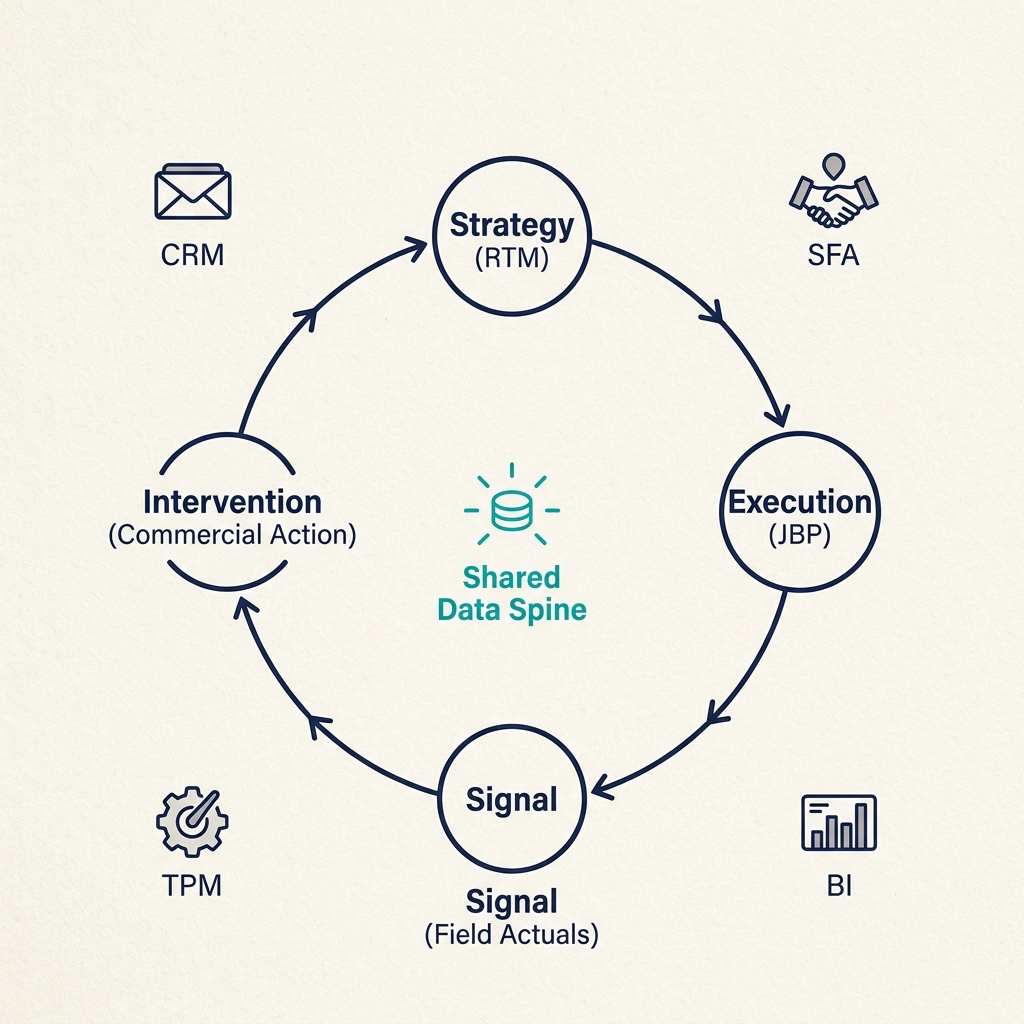
In every distributor-led organisation, strategy degrades as it flows down - and intelligence never flows back up. Strata Core closes both gaps.
Six integrated capabilities. One database. One AI reasoning layer. Every decision between the boardroom and the shelf - guided, traceable, accountable.

Multi-tenant, multi-distributor distribution management. Orders, billing, inventory, credit limits, batch tracking, and warehouse operations - all with real-time financial controls and ROIC-based viability measurement.
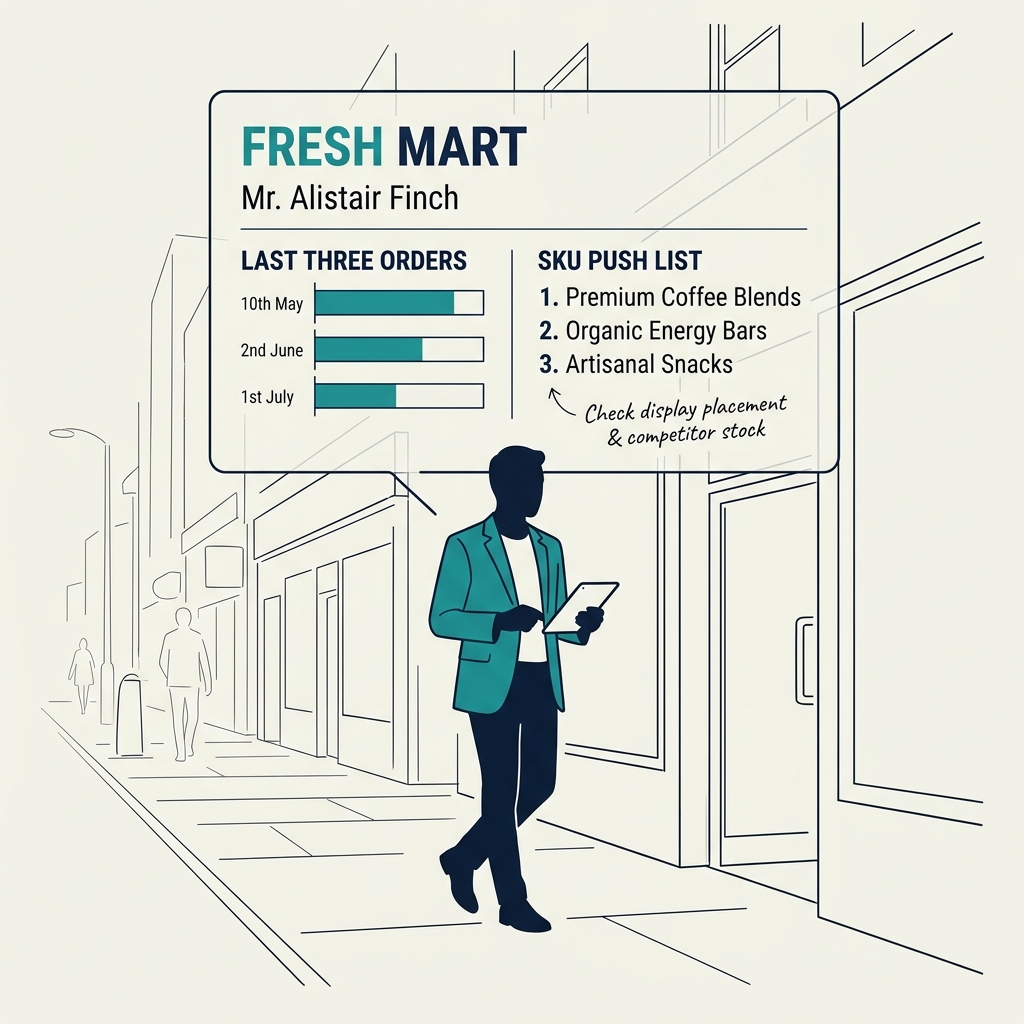
Mobile-first field app for DSRs. AI pitch recommendations before every outlet call. GPS-verified visits. Voice journaling. Structured refusal capture. Offline-first architecture for markets with poor connectivity.

DSRs photograph competitor price lists in the field. AI extracts prices, matches to catalog, validates against baselines, and flags anomalies. The pricing aspiration matrix tells you exactly where you stand vs. every competitor, at every tier.
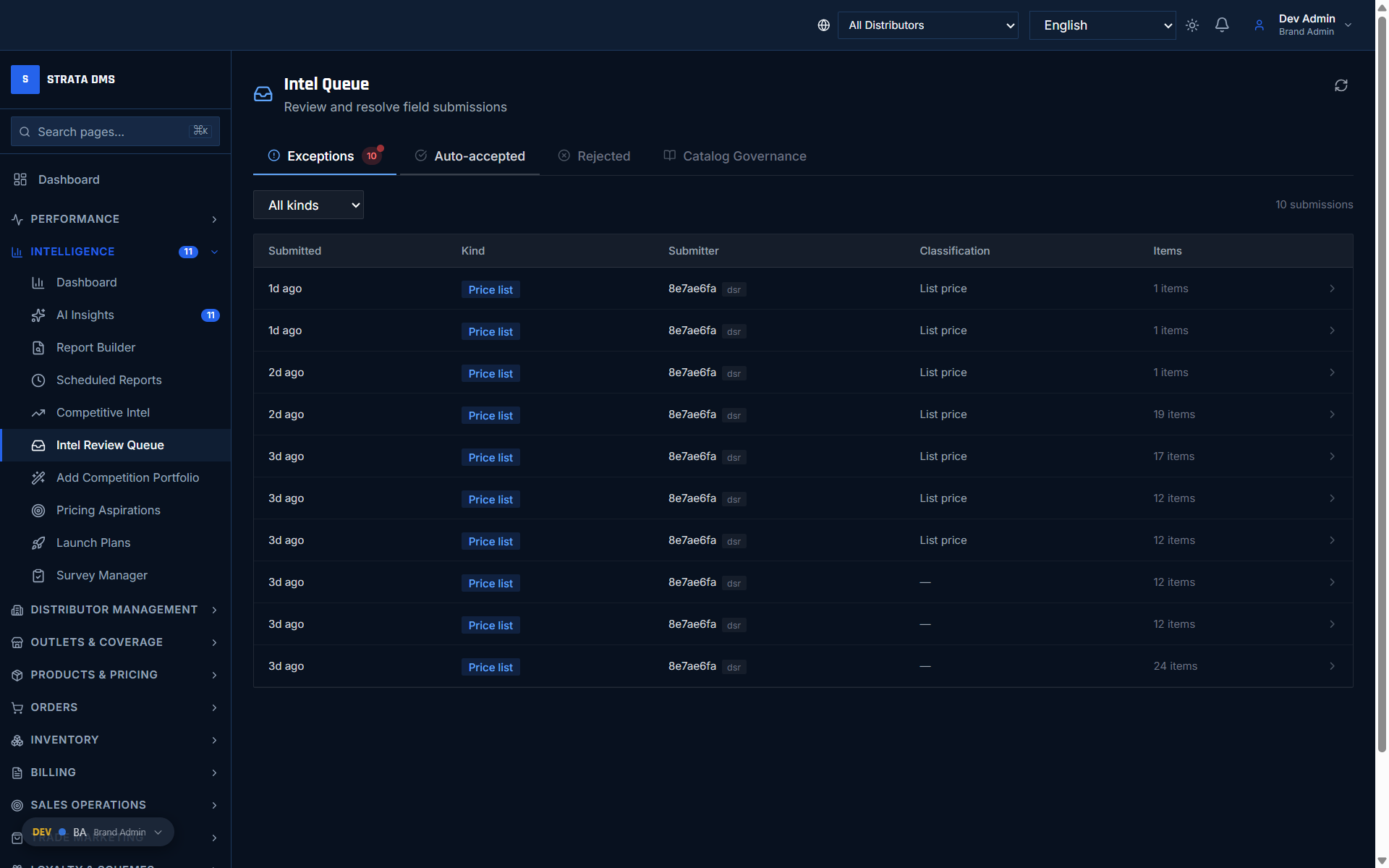
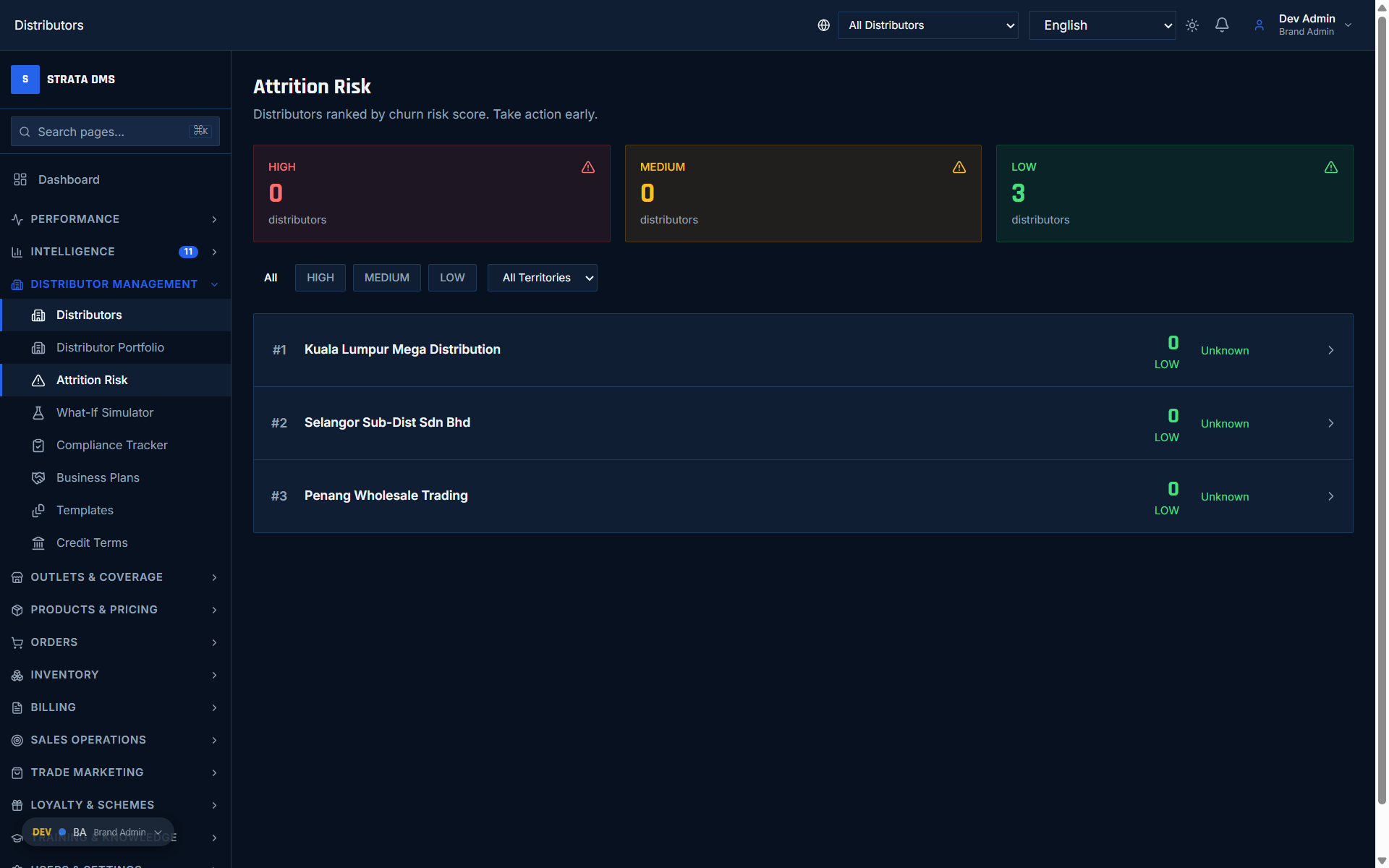
Performance command centre. Distributor health scoring. Attrition risk prediction. Demand forecasting. Natural language queries across the entire dataset. AI insight cards surface what matters before you ask.
Promotion simulation with AI-predicted ROI. Campaign builder with push-to-serve across Meta, Google, TikTok, and Shopee/Lazada. Creative asset management. Full campaign attribution linking digital spend to sell-through.
Mobile app for retailers (warung, kedai, kirana). Multi-brand loyalty with configurable earning rules. QR scan-to-earn. Order history. Reward redemption. The brand finally has a direct relationship with the outlet - not routed through the distributor.

Not by people who read about them.
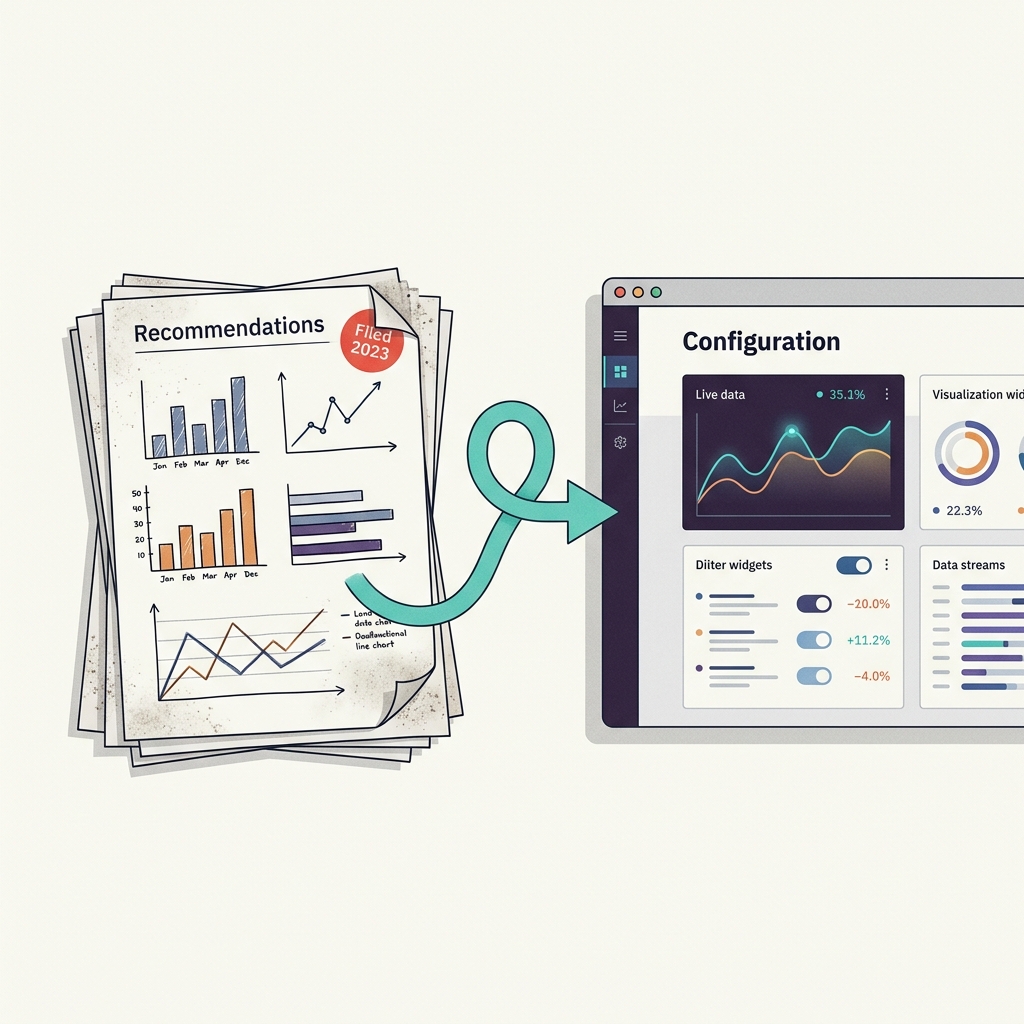
RTM Assessment findings don't live in a PowerPoint. Adopted recommendations seed live module configurations automatically. The platform knows why every setting exists.
Distributor viability measured by return on invested capital against a market hurdle rate. The only metric that honestly answers whether a distributor relationship is economically rational.
DSR visits are GPS-verified. Shelf compliance is AI-analysed from photographs. No distributor can enter junk data to game their incentive. The single source of truth is the foundation.
Three-tier learning architecture. Better prompts from feedback capture. Codified rules from pattern recognition. AI bypass when patterns become deterministic. The system gets smarter without sending more data to AI providers.
Practitioner essays on route-to-market strategy, distributor economics, and the craft of building commercial intelligence software.
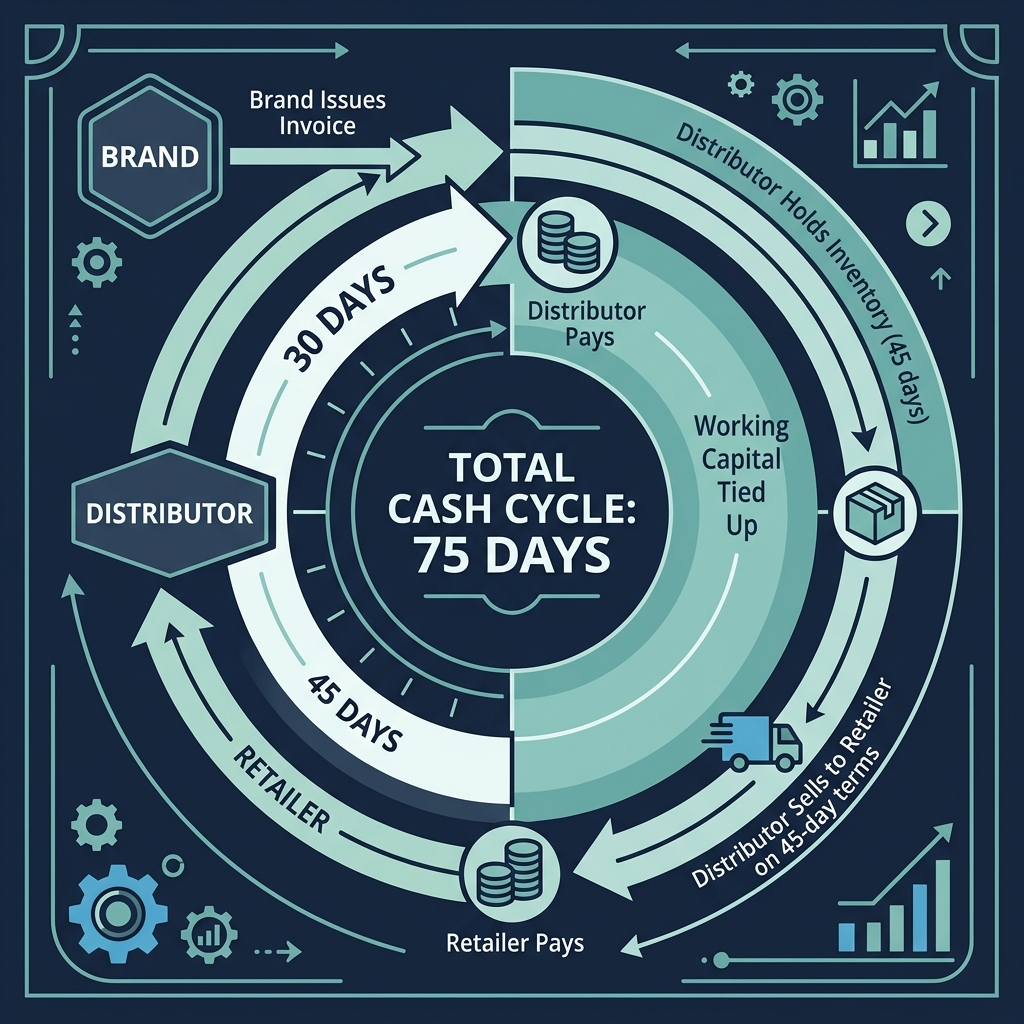
Working capital locked up in uncollected trade receivables grows faster than revenue. The standard model treats it as linear. It compounds.
Read →
A 2% return on capital employed is worse than liquidating the business and putting the money in the bank. Yet viability frameworks approve this profile every day.
Read →
Once you know Distributor X has been the partner for twelve years, your "ideal" territory design will bend toward them. The fix is architectural, not willpower.
Read →
The slide that separates a board-grade deliverable from a sales pitch is the one that presents, front and centre, the strongest arguments against each recommendation.
Read →
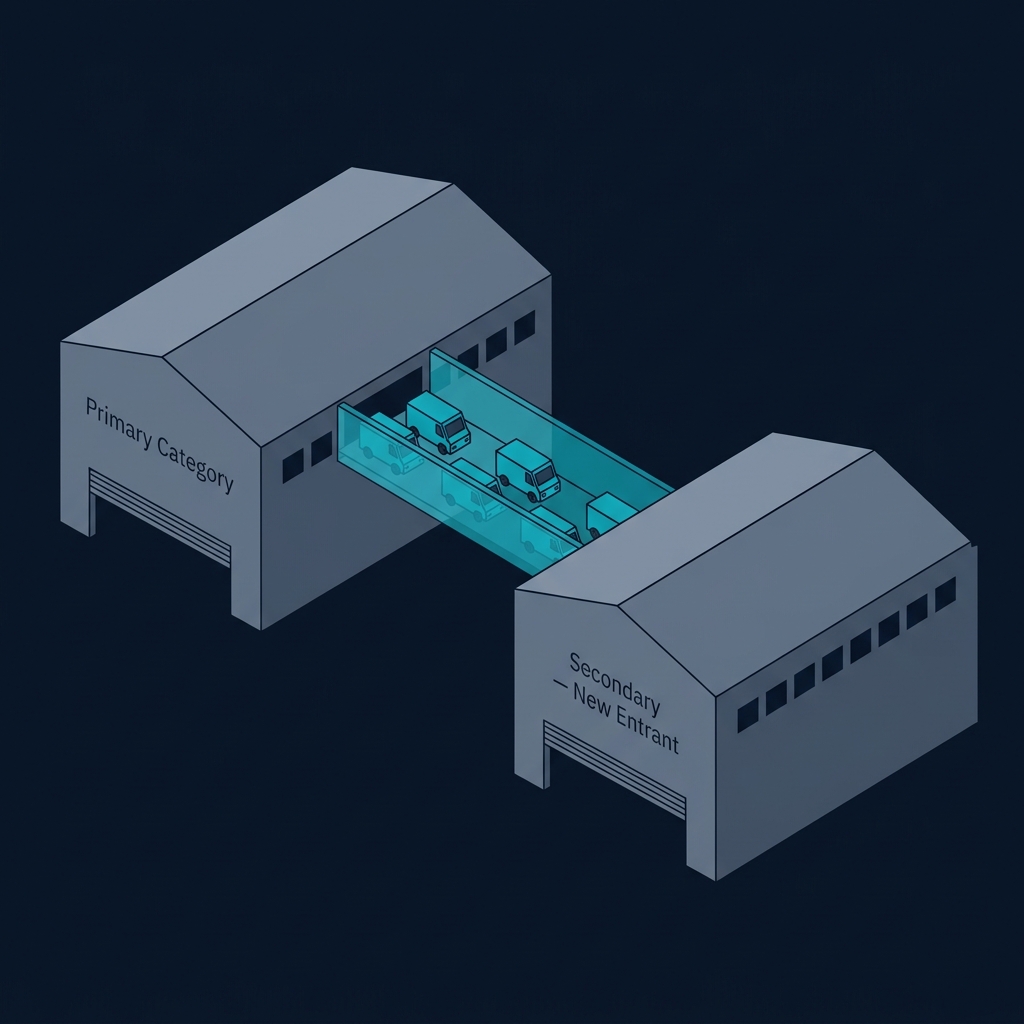
When a territory can't carry a dedicated distributor's fixed costs, most organisations either subsidise or skip it. There is a third option.
Read →
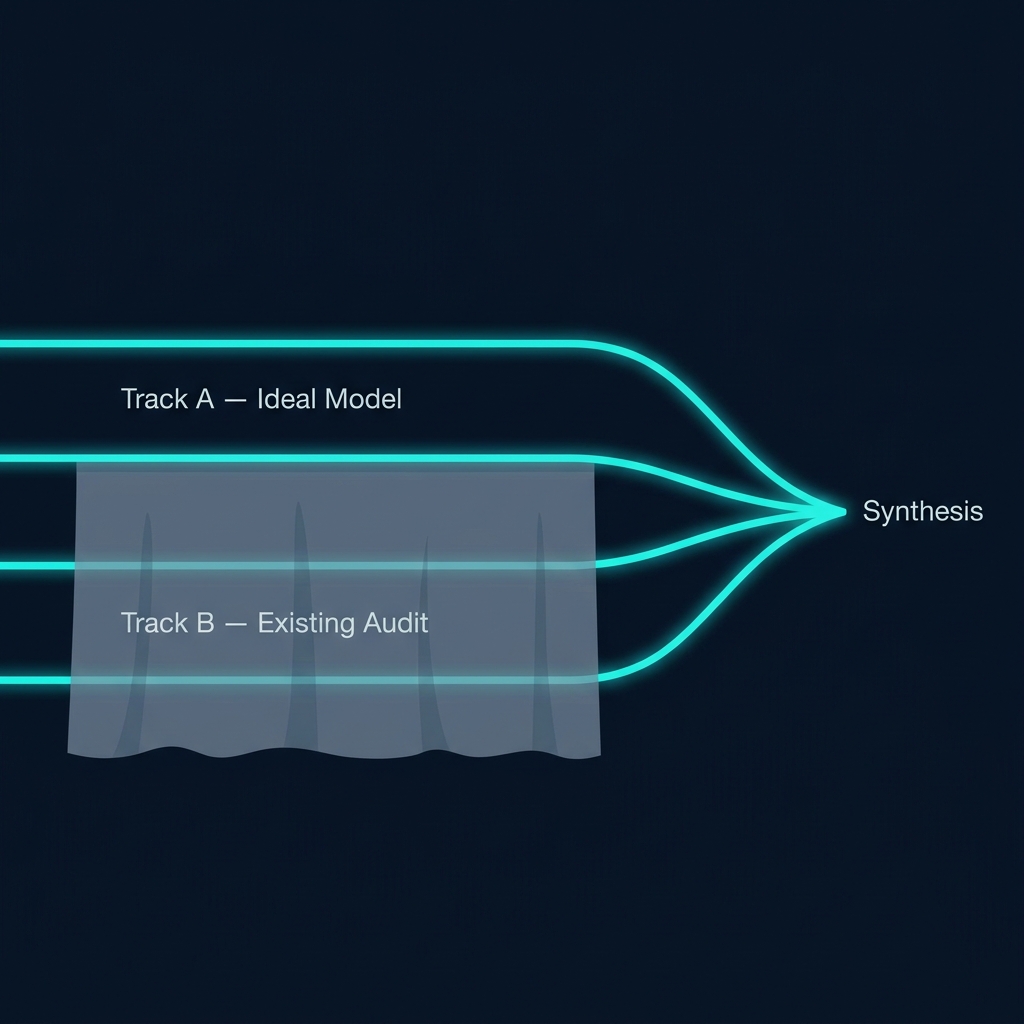
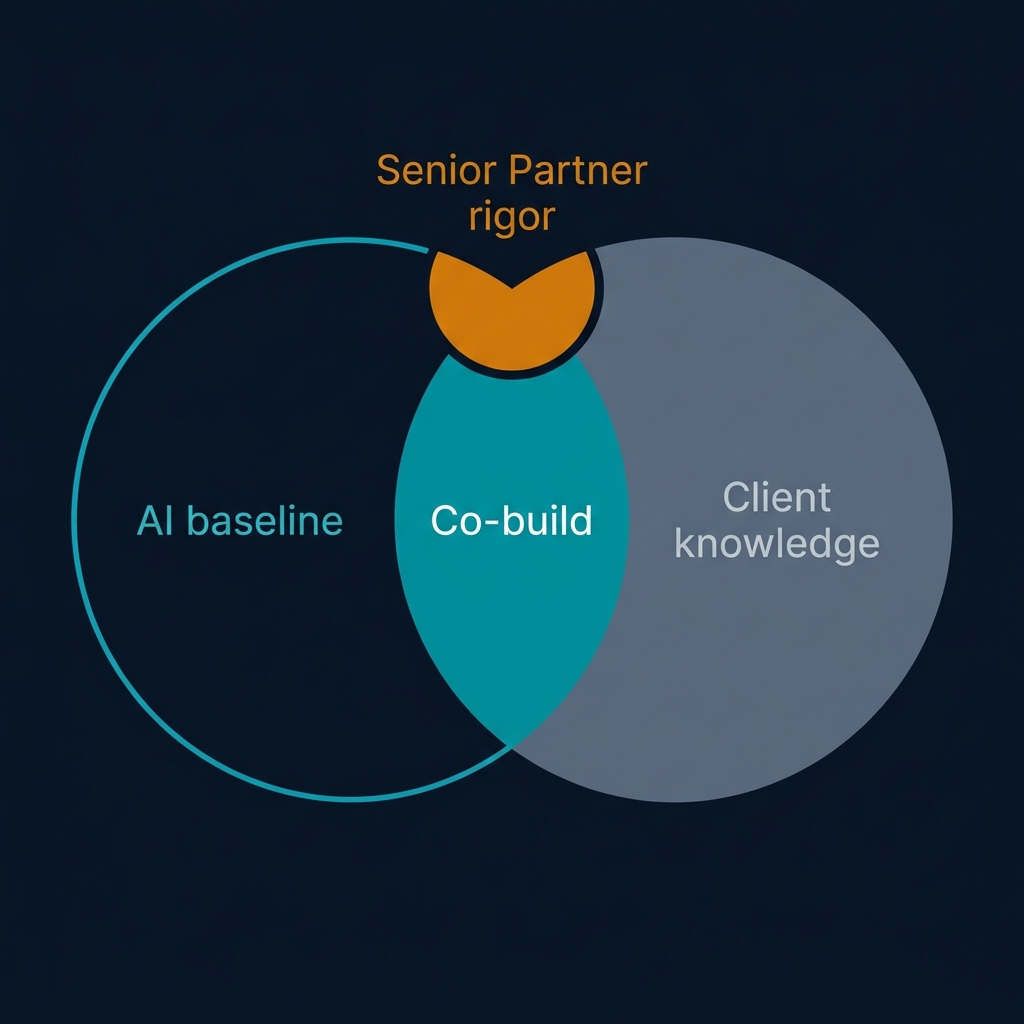
AI produces confident numbers with no operational grounding. Client teams produce grounded strategies with no external benchmark. Neither alone is sufficient.
Read →
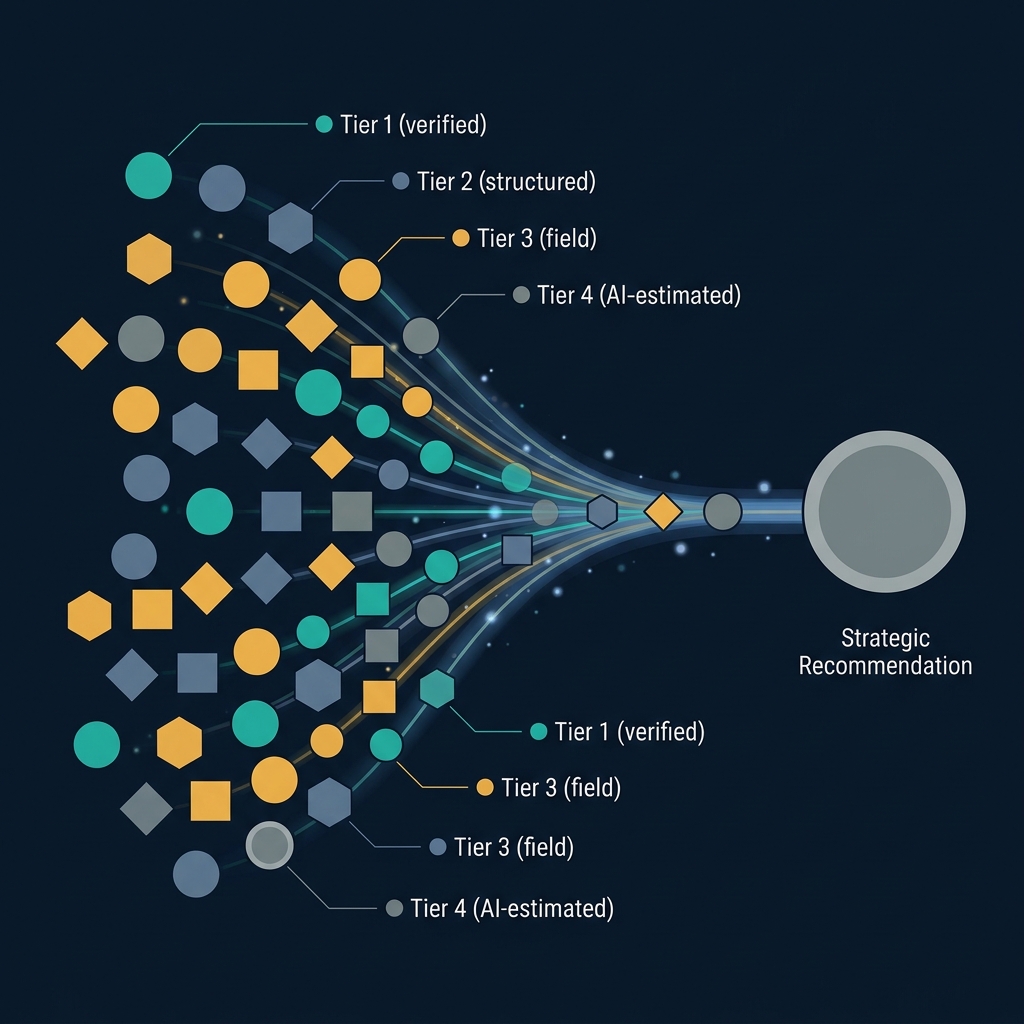
Every data point in a strategic analysis carries a provenance. Treating AI estimates and verified field data as equal confidence destroys decision quality.
Read →
A market-leading lubricant brand and a challenger entering a new market need fundamentally different distributor evaluation criteria.
Read →
When a territory underperforms, "push harder" is not an answer. Fault attribution traces the underperformance to its structural cause - and names the intervention.
Read →
Every handoff between a domain expert and a developer introduces translation loss. When the domain expert builds directly with AI, the loss disappears.
Read →
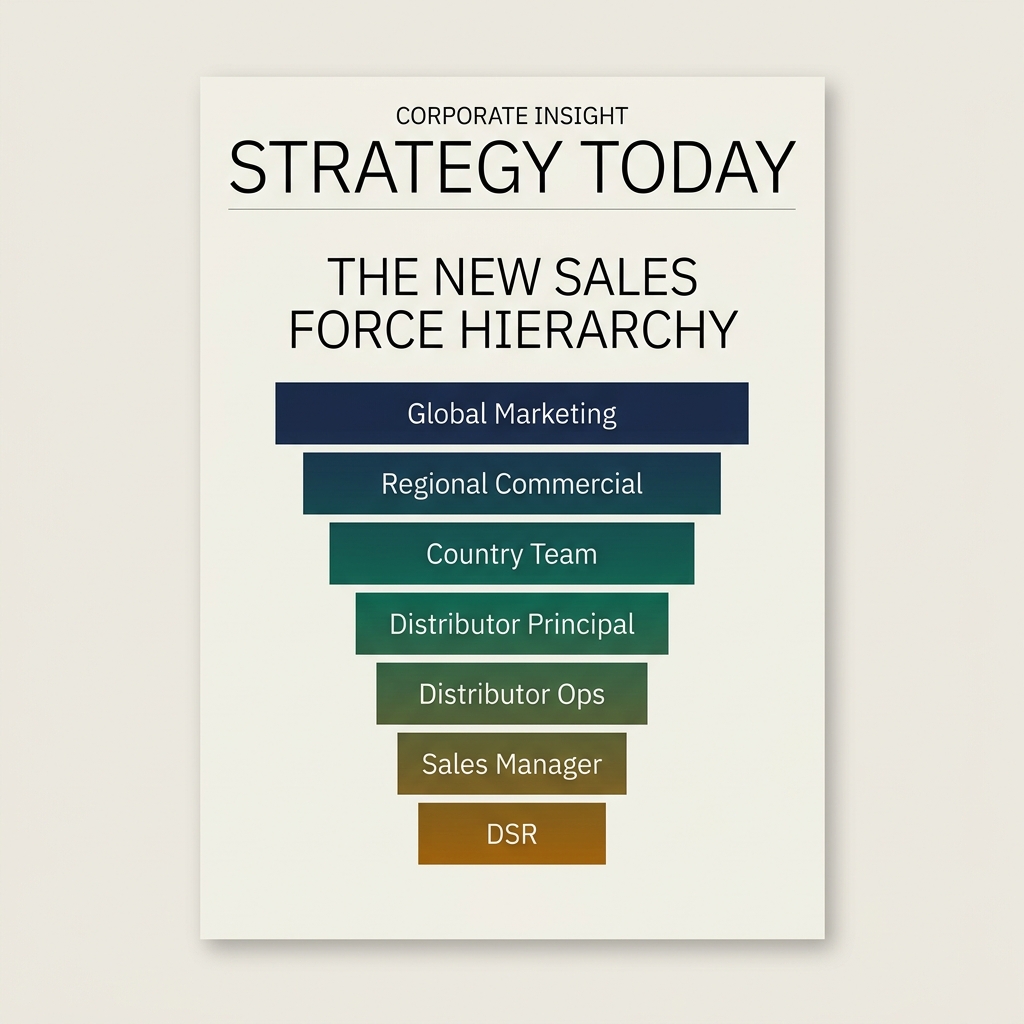
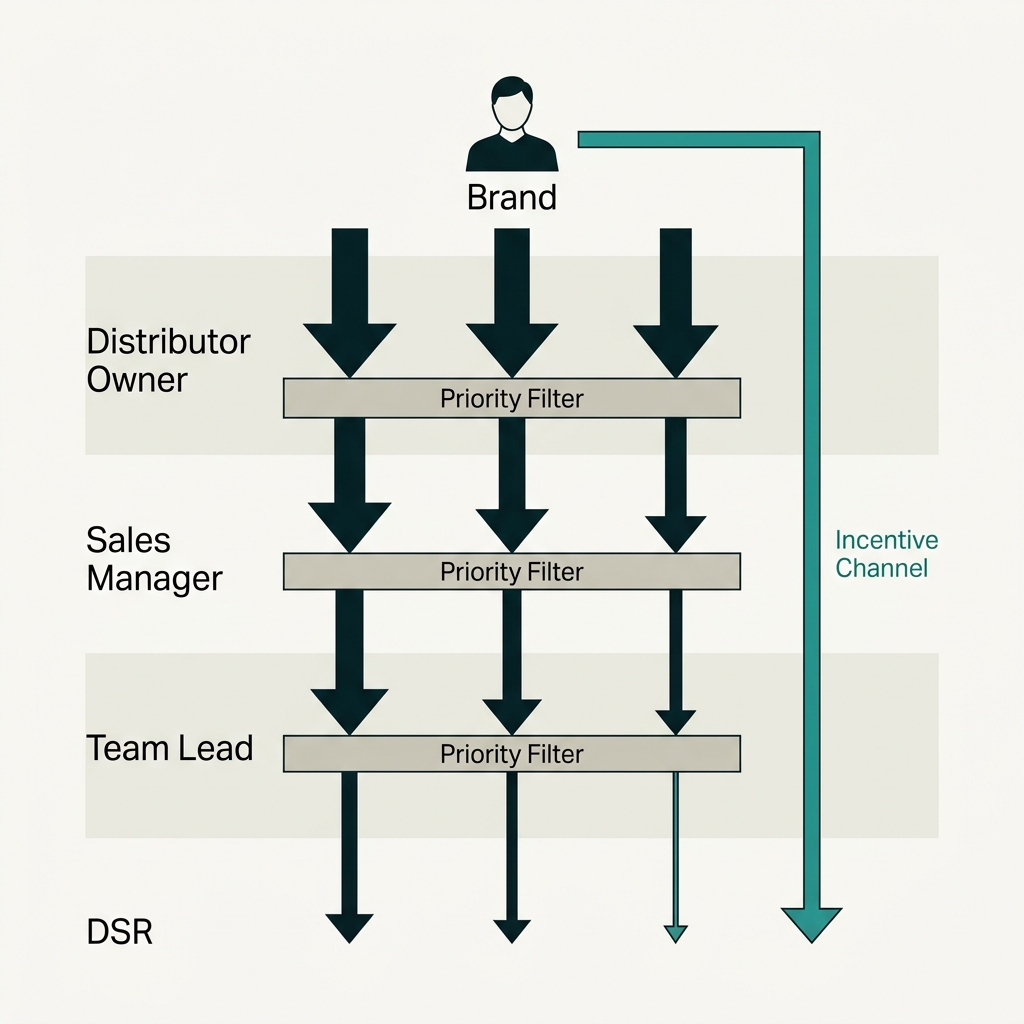
A global marketing team designs a perfect promotion. By the time it reaches the DSR on the street, it is unrecognisable. This is not an execution problem.
Read →
27% of CPG companies get no real-time insight into distributor compliance. Here is what happens when the JBP becomes a live database record.
Read →
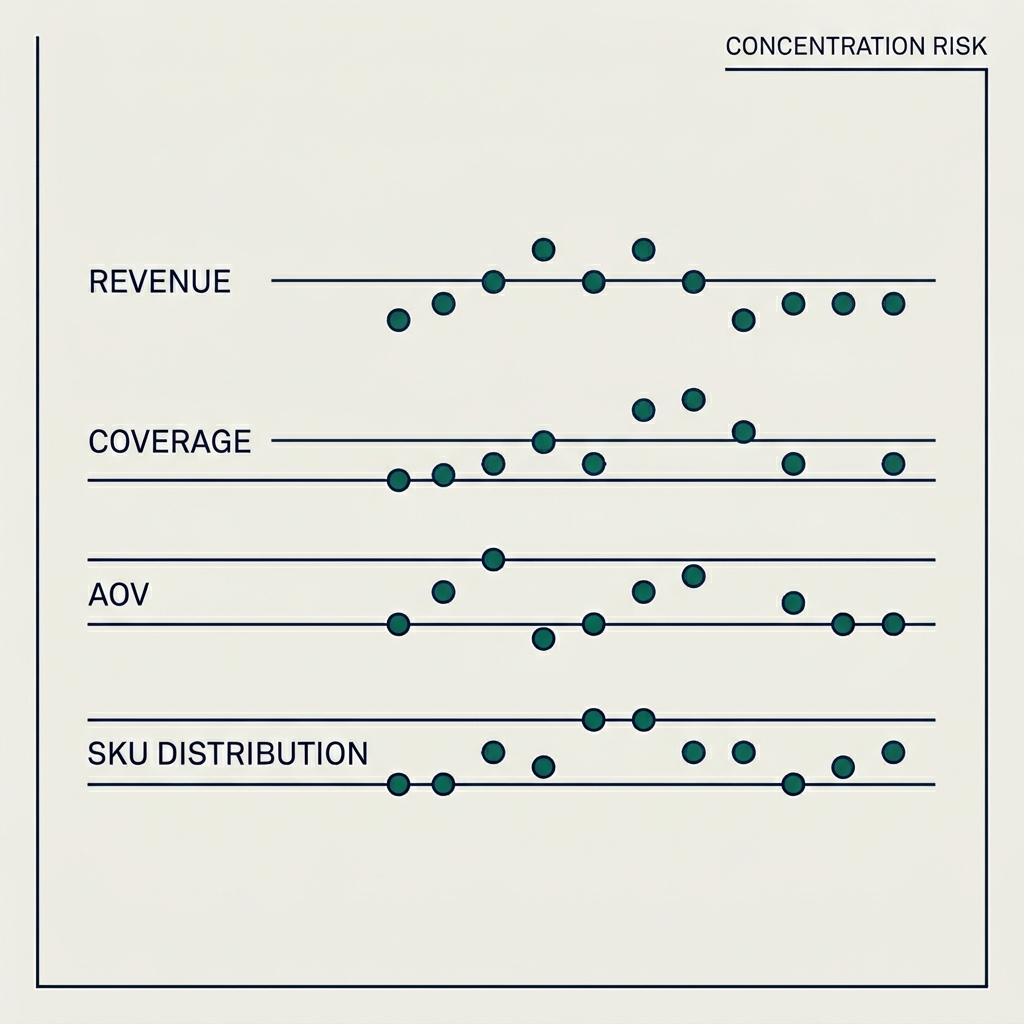
Single-metric dashboards produce symptoms. Reading revenue, coverage, AOV, and SKU distribution together produces diagnoses. The difference changes outcomes.
Read →
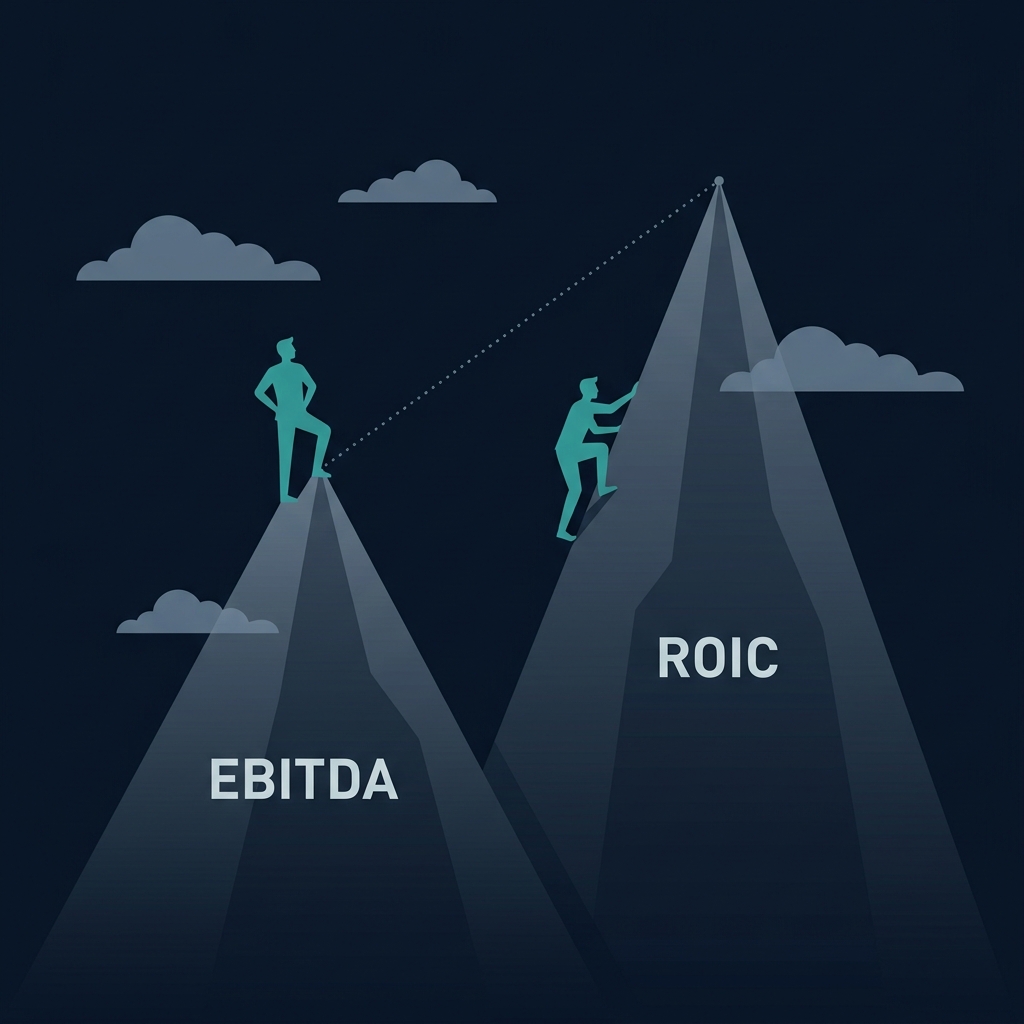
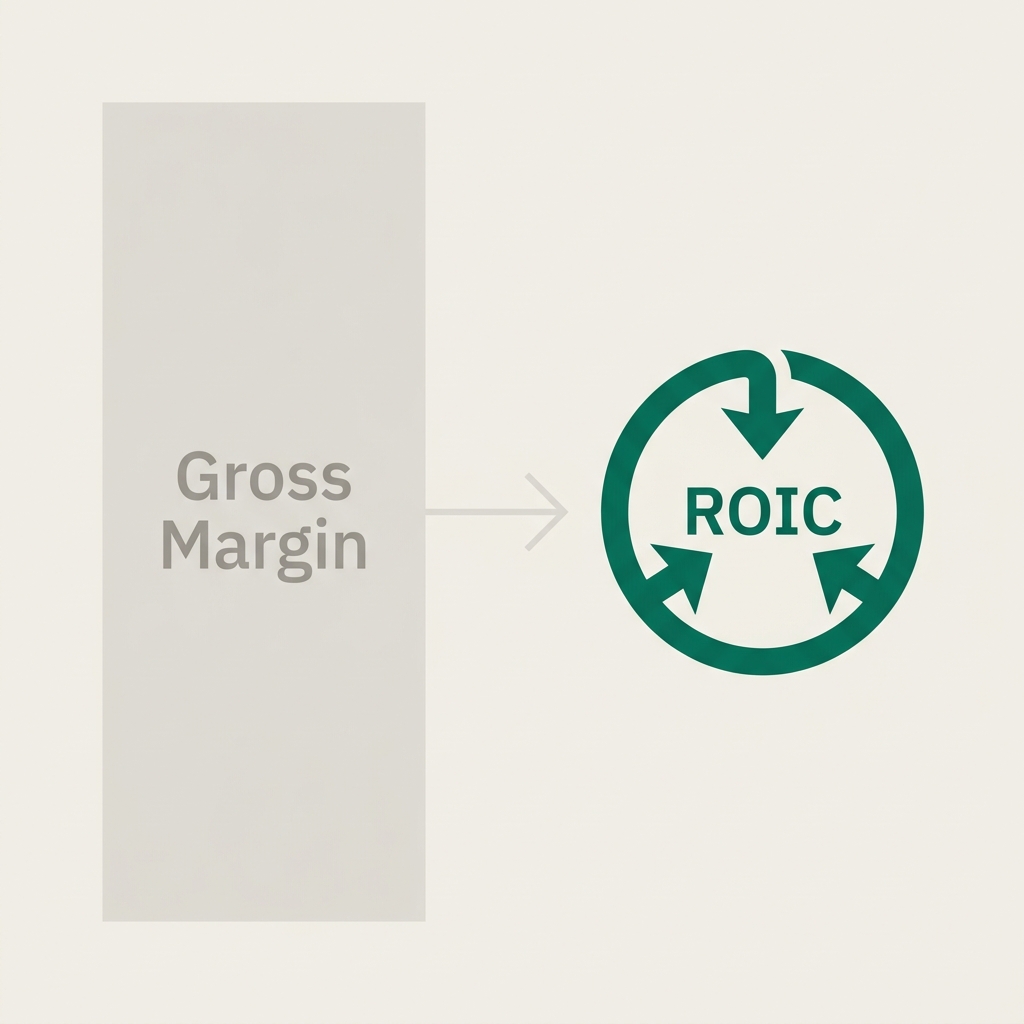
Gross margin tells you what happened. ROIC tells you whether the capital would earn more in a bank account. Most viability frameworks test the wrong one.
Read →
A new DSR with the right tools is more effective on day one than a veteran without them. That difference compounds across hundreds of DSRs in a distributor network.
Read →
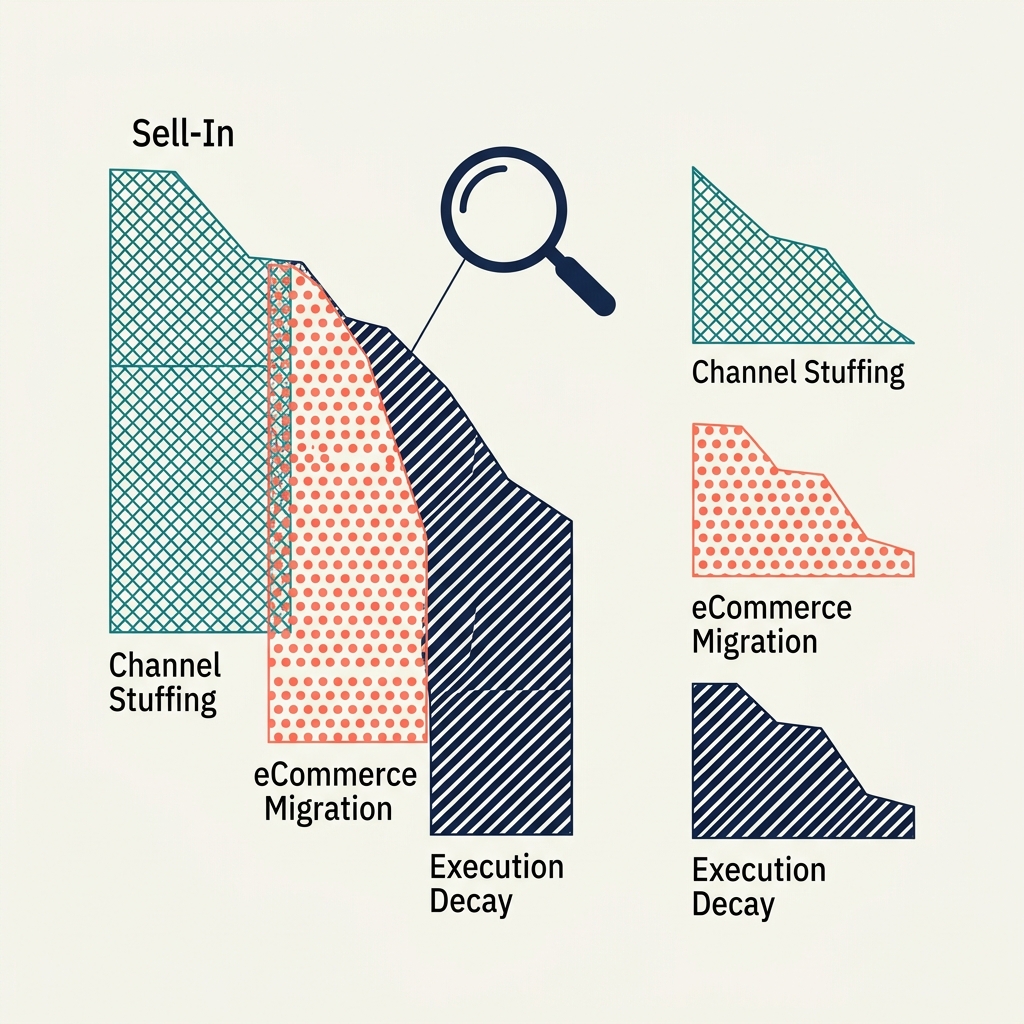
When a brand launches on Shopee, distributor sell-through drops. The obvious conclusion is wrong. The real problem is measurement architecture.
Read →
When an RTM Assessment recommendation is adopted, it seeds the downstream module configuration automatically. No other platform starts here.
Read →
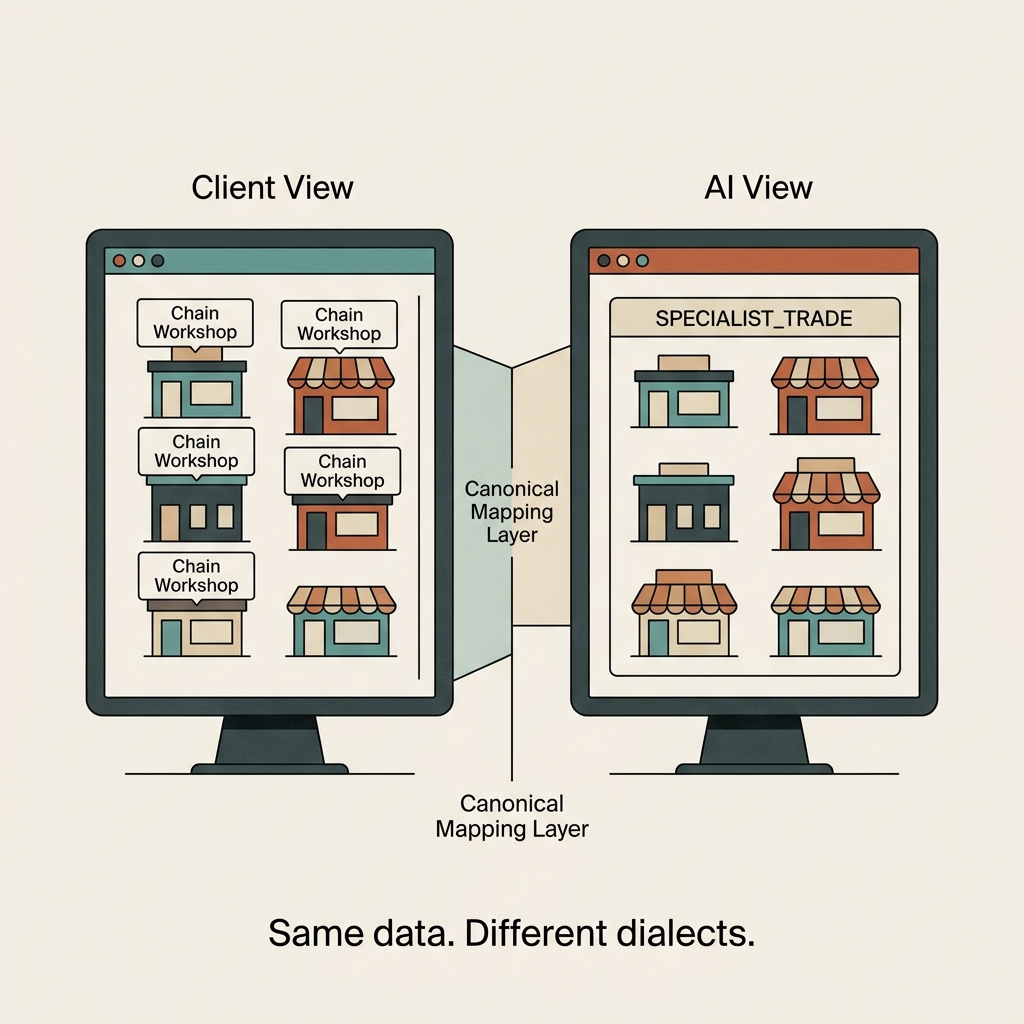
Every client has their own channel taxonomy. The platform that maps them all to a canonical structure owns the cross-client intelligence layer.
Read →
The distributor decides what their DSR sells. Unless the tenant has a direct incentive channel to the DSR. That changes the power dynamic entirely.
Read →
Every vendor sells features. The one that wins sells a closed loop - strategy flows down, intelligence flows up, and the system compounds.
Read →
The real competitive advantage isn't the code or formula outputs, but the data that accumulates as clients use the platform. A 12-month engagement with verified field data is locked in.
Read →
The operational manual that follows an engagement is typically filed away unread. Designed well, it plants the question about the next module at exactly the right moment.
Read →
Modeling territories as the primary unit breaks down because they double-count in real deployments. The right abstraction is the scenario - a MECE grouping with no overlap.
Read →
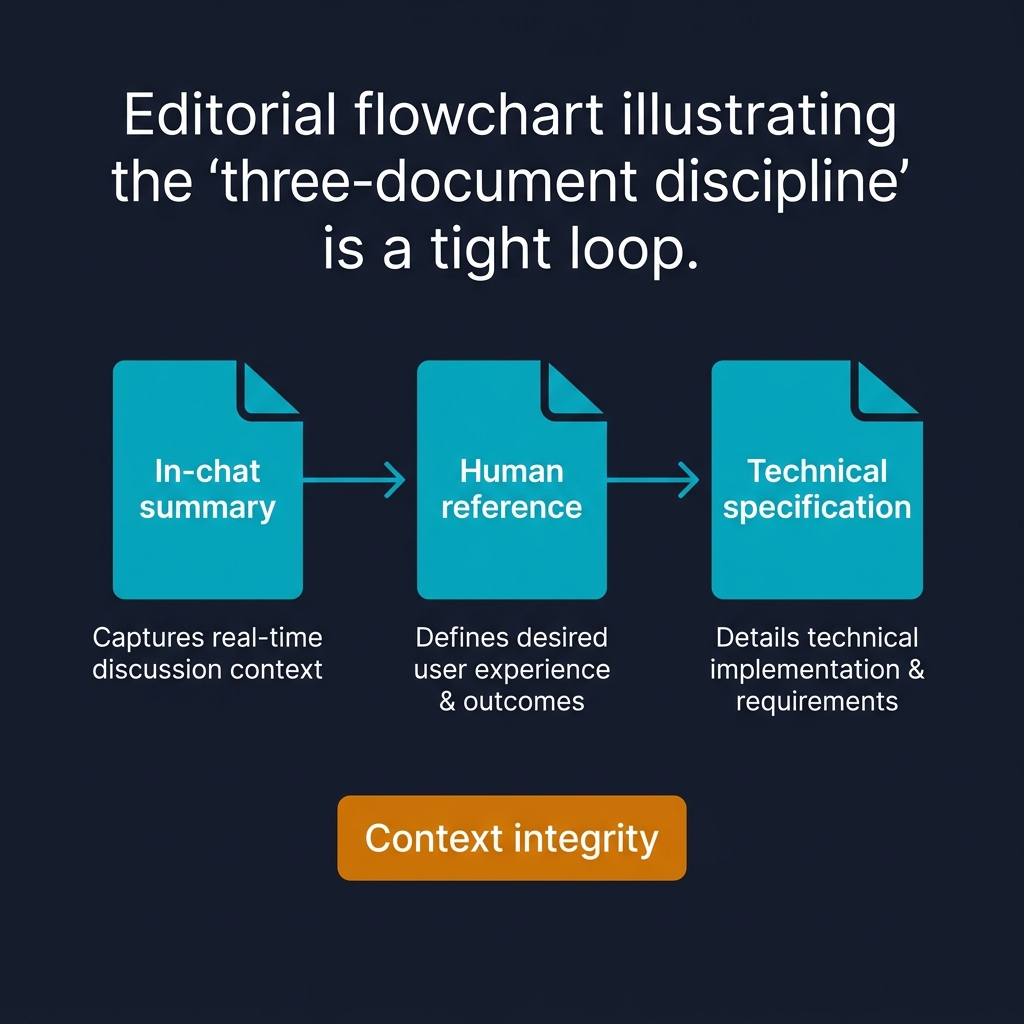
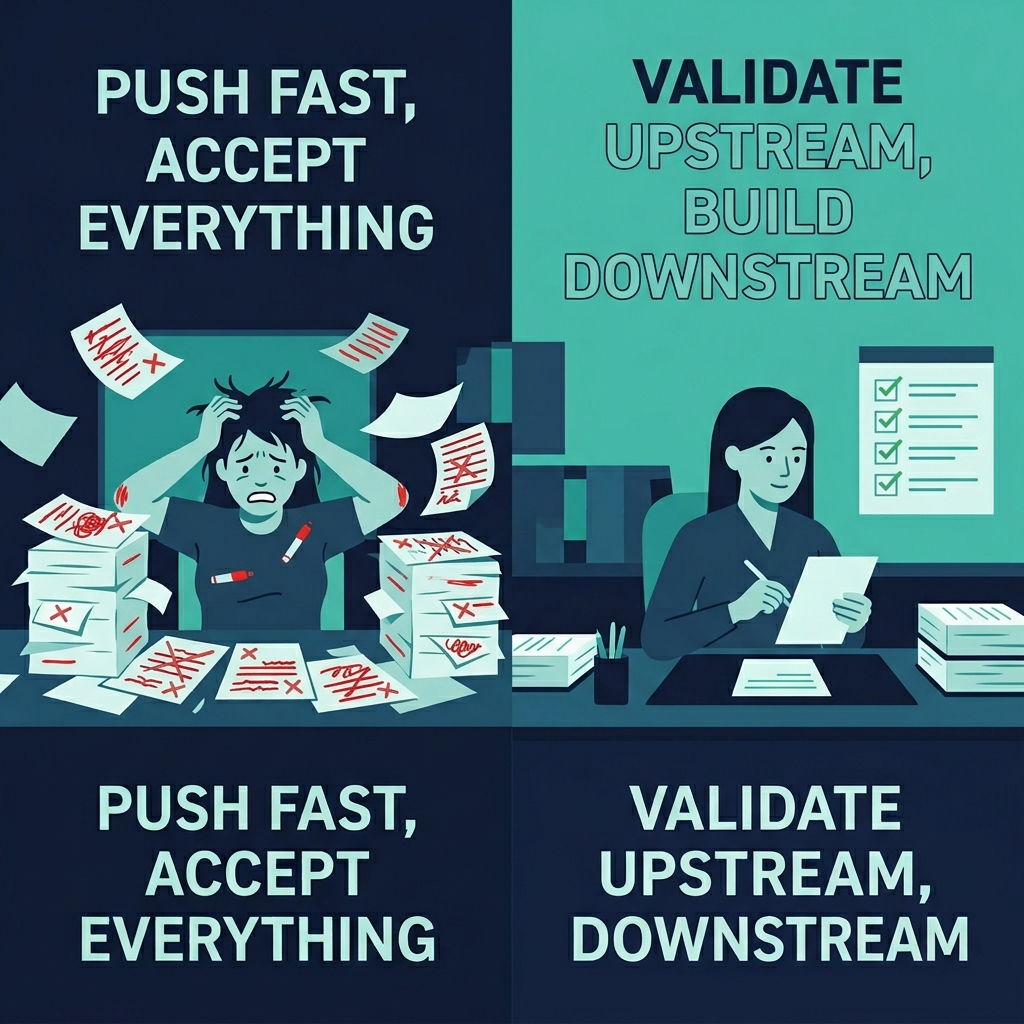
Speed during code generation is worthless if the spec is vague. The real leverage comes from locked specifications upstream and disciplined validation before building on results.
Read →
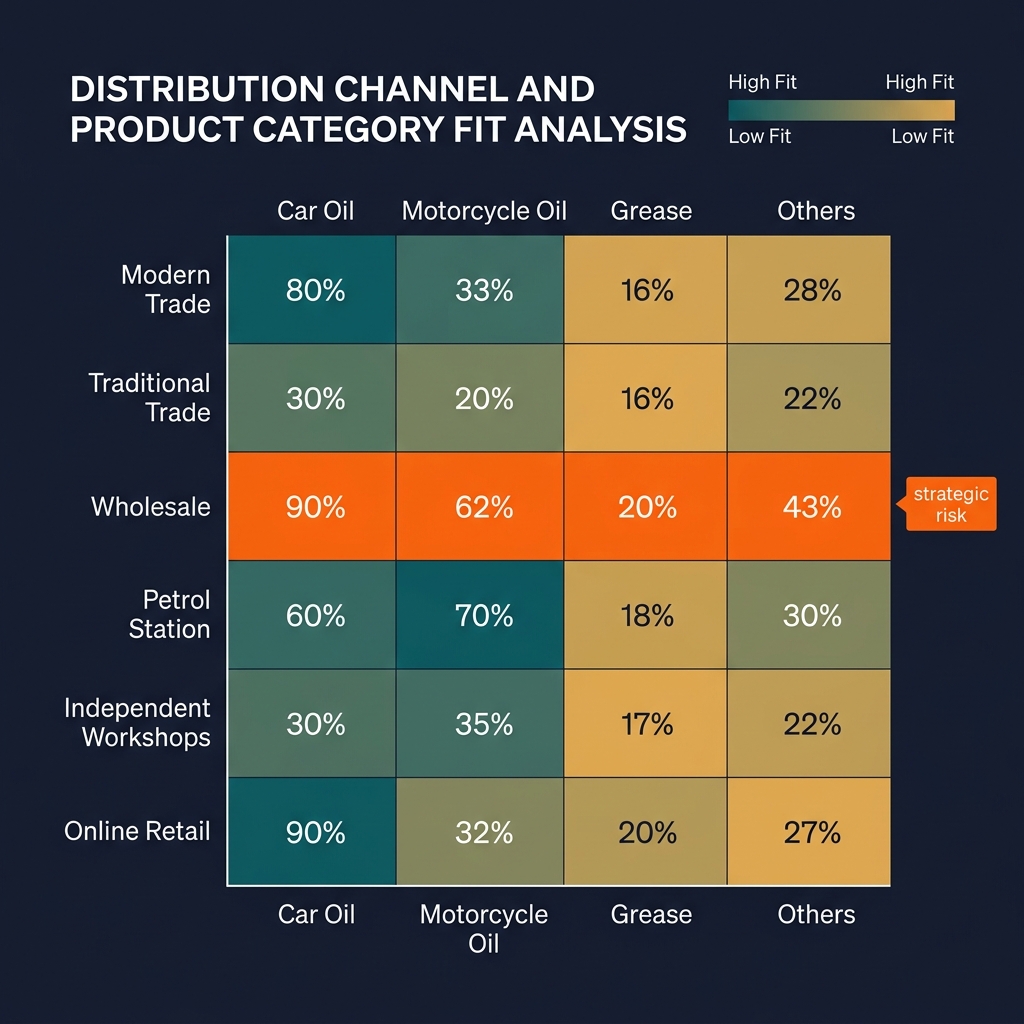
A distributor spending 35% of effort in a channel with only 15% category volume is structurally vulnerable, regardless of targets. This diagnostic turns configuration into executive insight.
Read →
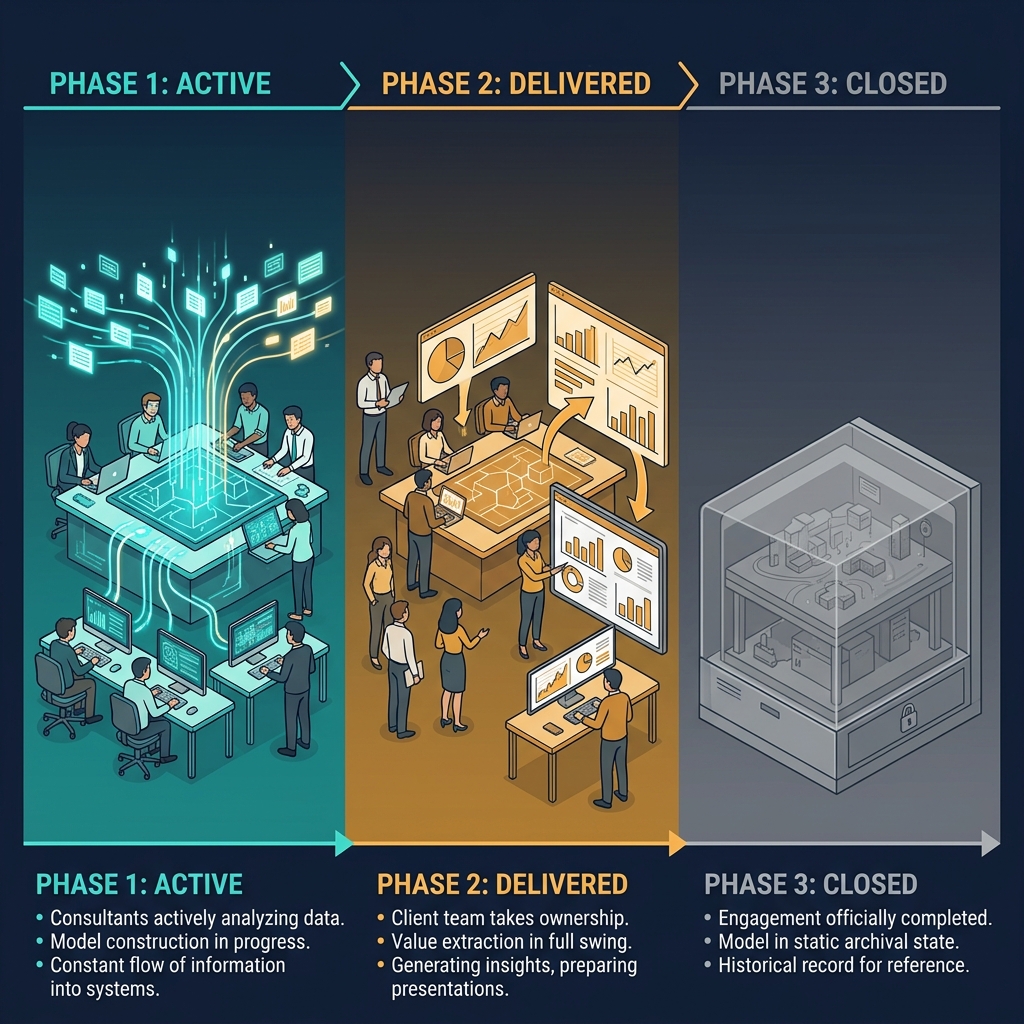
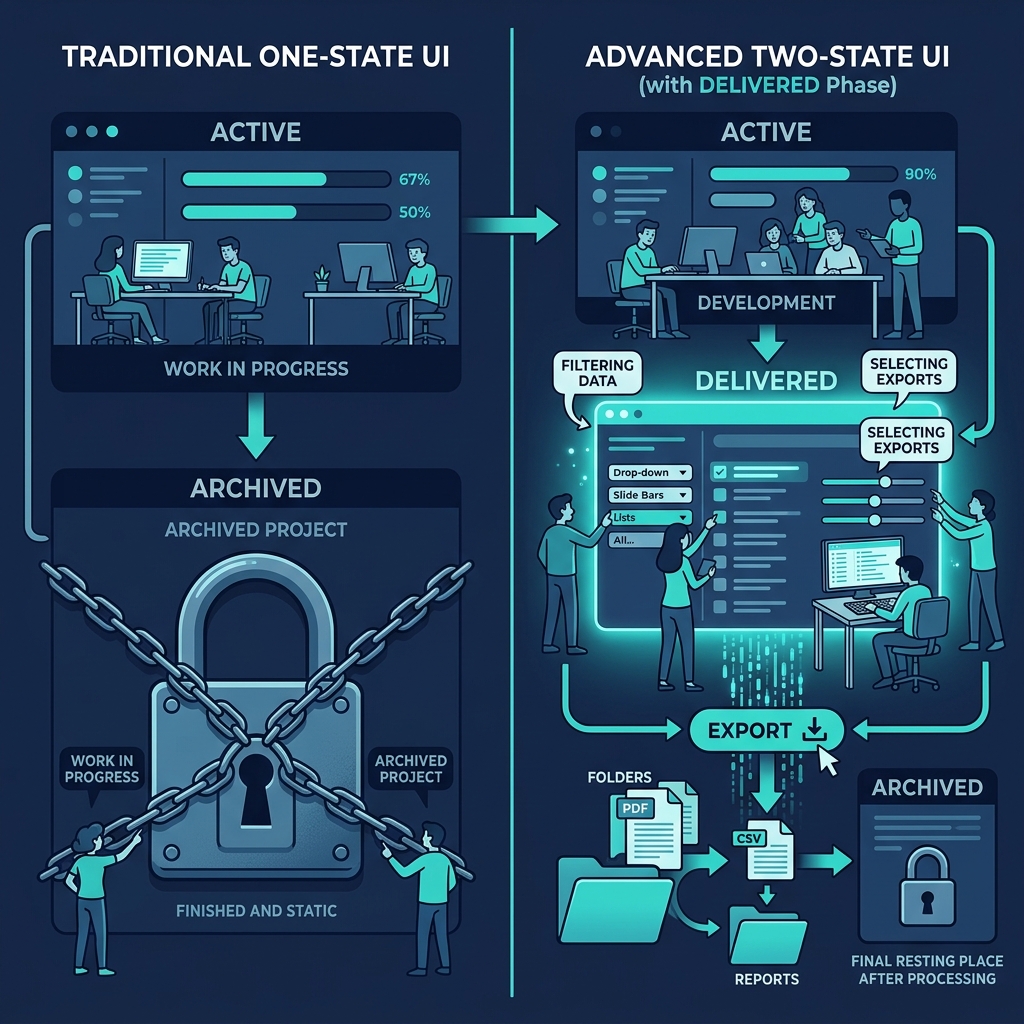
Most consulting software flips from active to archived immediately after delivery, locking clients out at the exact moment they're circulating the work. The fix: an extraction period.
Read →
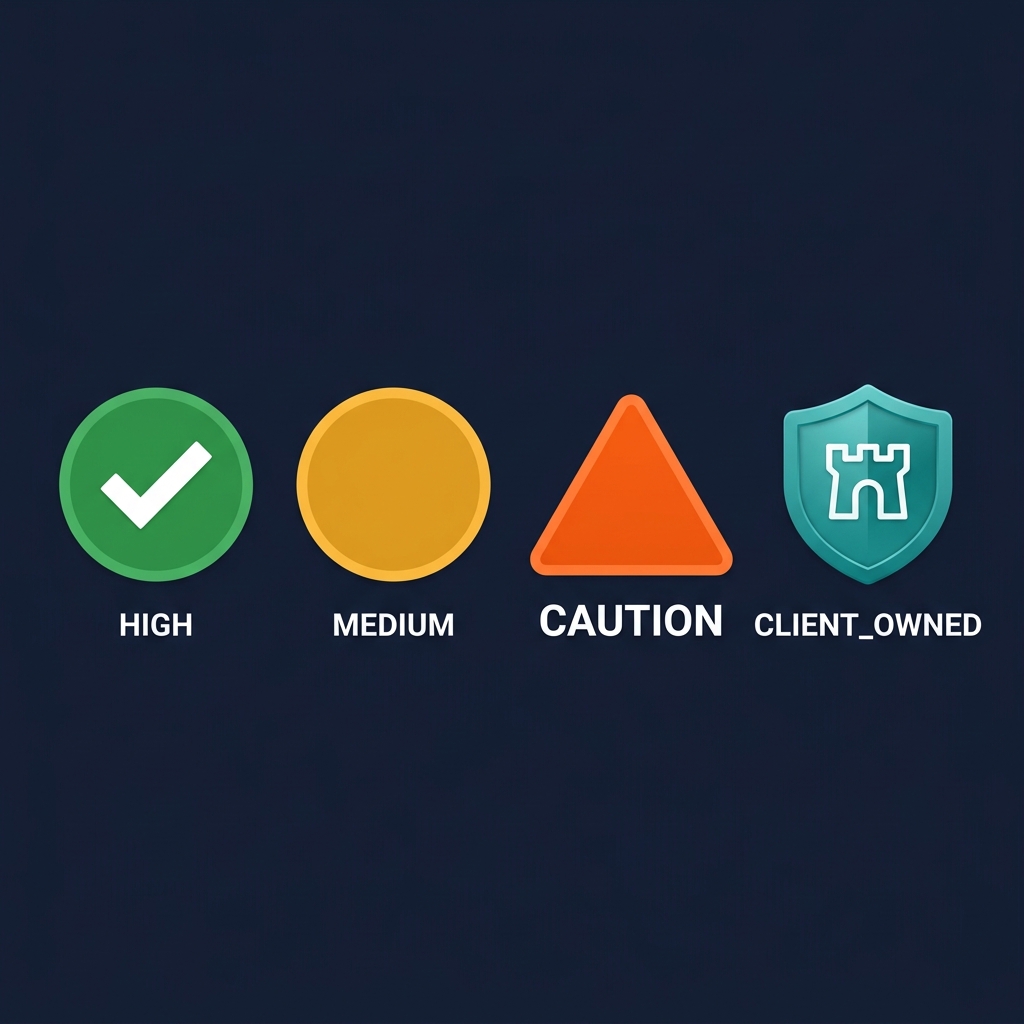
Presenting every number with equal authority is the cleanest way to lie with data. Making confidence visible turns assumptions into a roadmap for data improvement.
Read →
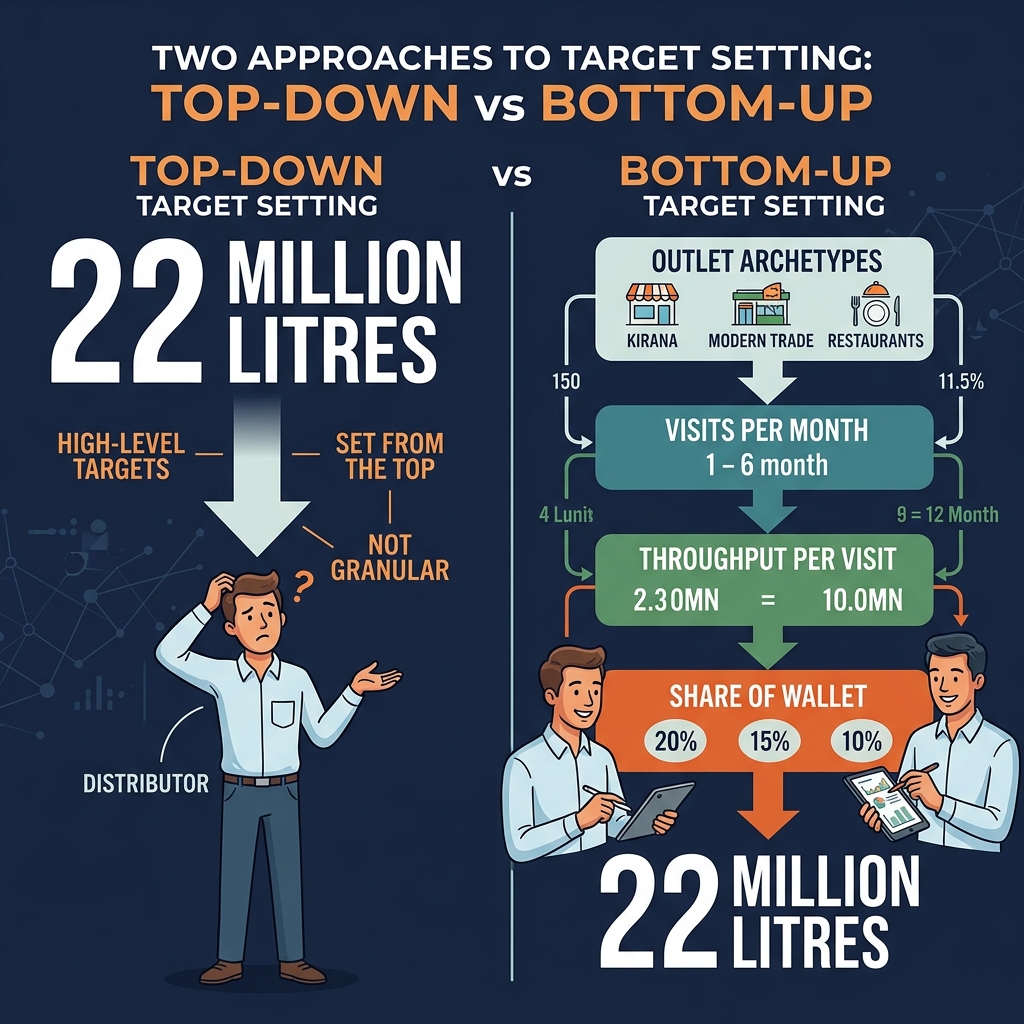
Taking a percentage of a ceiling and calling it a target is operationally unplumbable. Real targets are built outlet by outlet with decomposable dimensions.
Read →
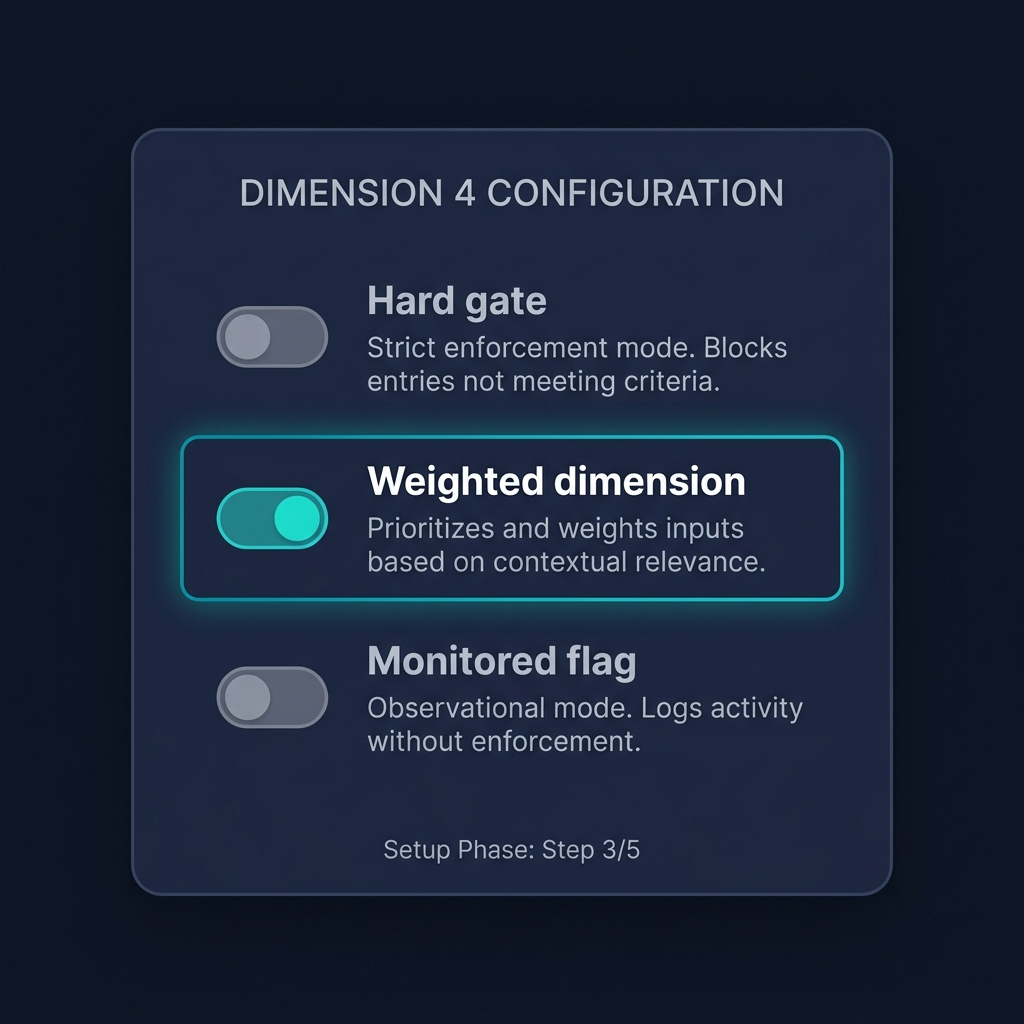
Treating different roles as different screens creates drift and maintenance nightmares. A single screen with render modes controlled by a flag solves the problem at build time.
Read →
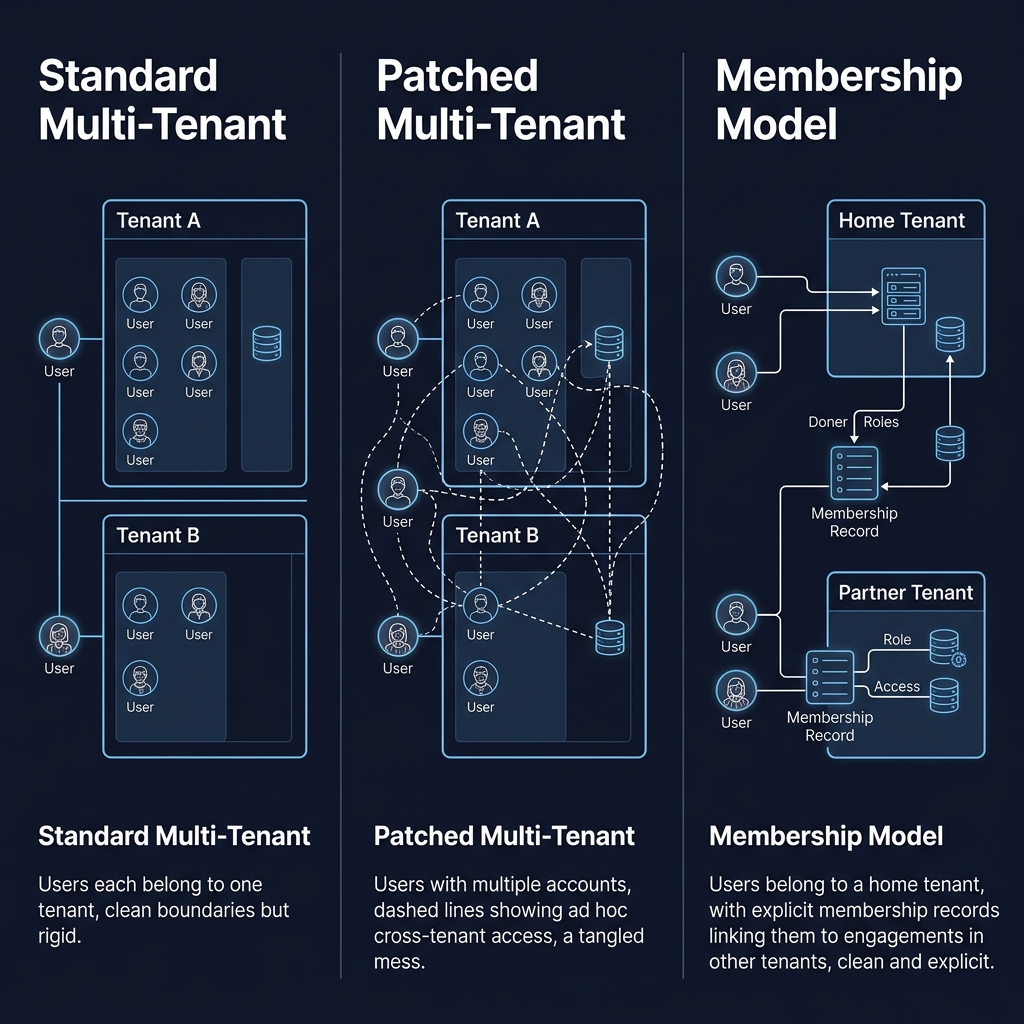
The standard multi-tenant model assumes users belong to one tenant, which fails for consulting where senior partners work across multiple client organisations.
Read →
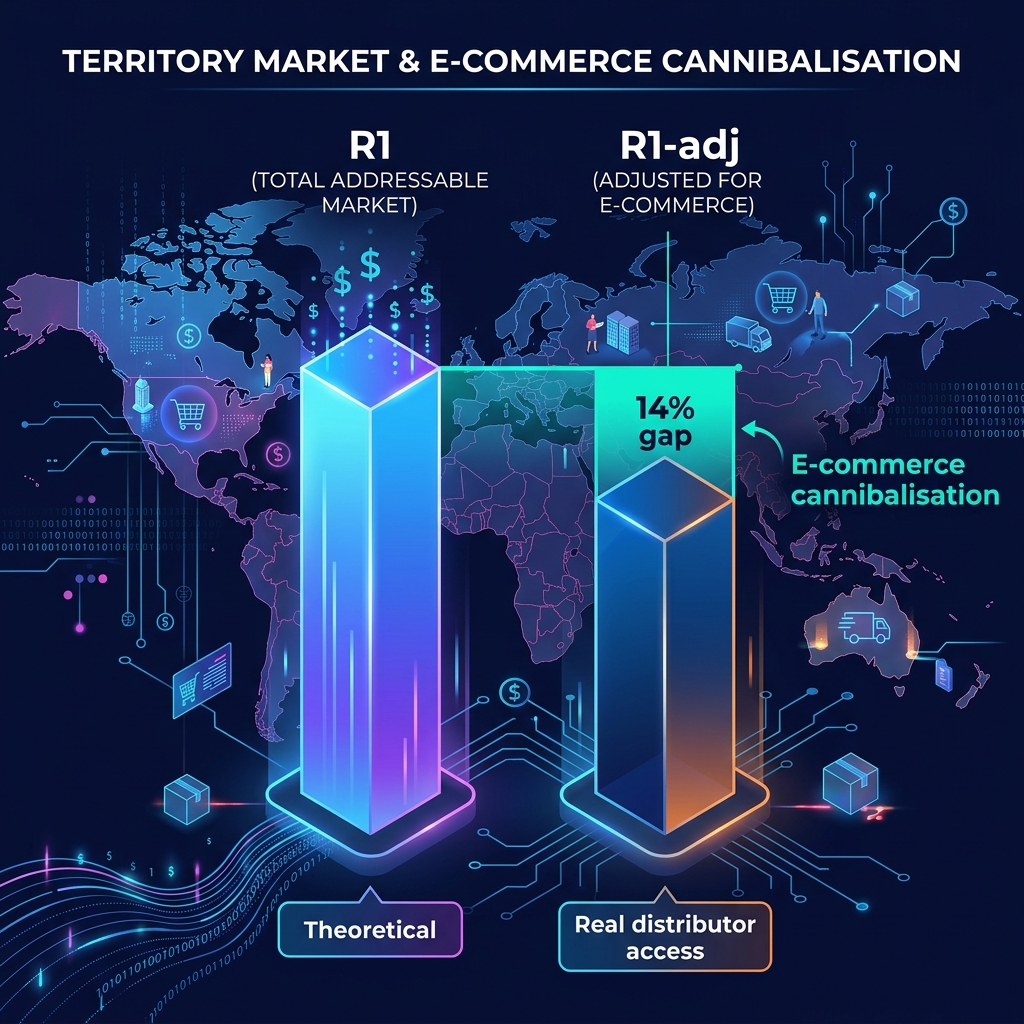
When e-commerce takes 14% of a category's volume, a territory model that ignores this inflates distributor viability by exactly 14%. Make cannibalisation a first-class variable.
Read →
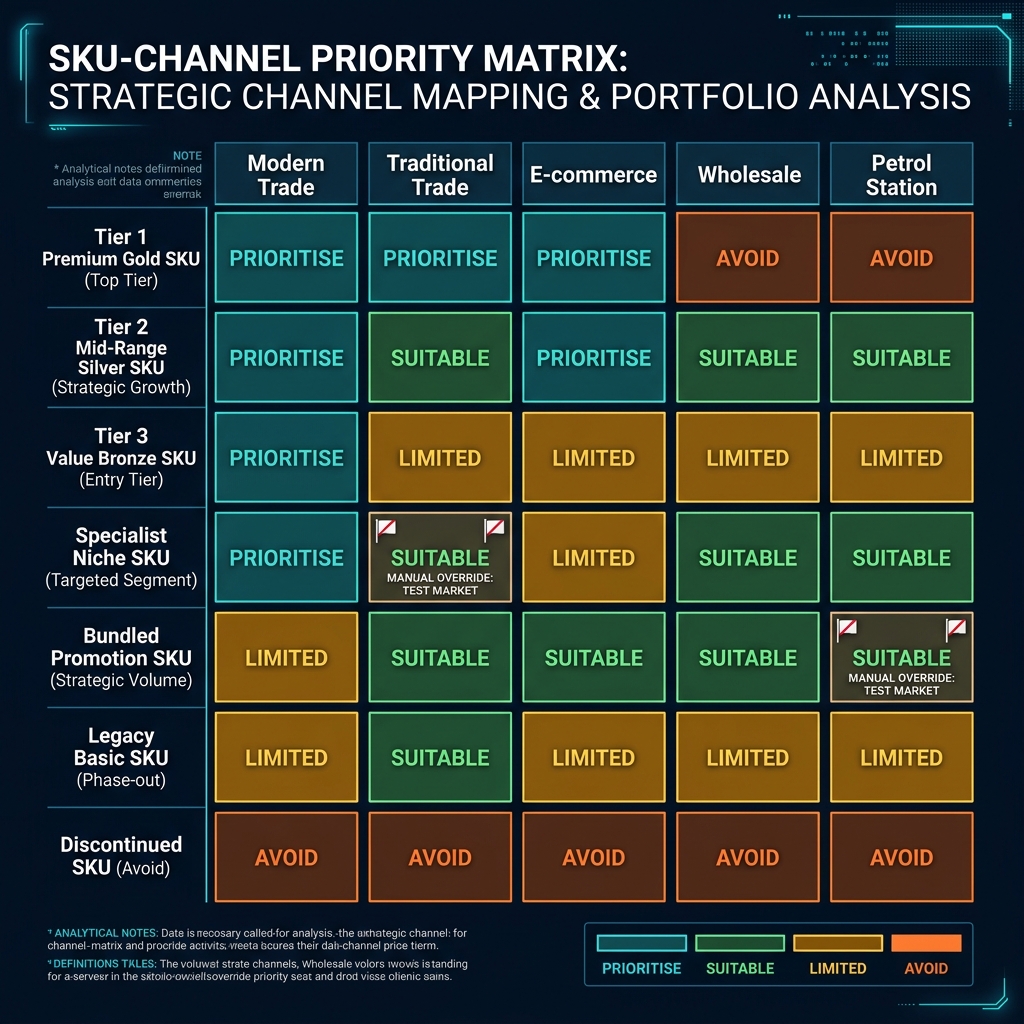
A weighted-average channel fit score works until real data contradicts it. Corrections accumulate and the score becomes a portfolio diagnostic.
Read →
AI evaluation of UX is fast but structurally inadequate. A 20-minute structured review with a real user yields more actionable signal than days of AI suggestions.
Read →
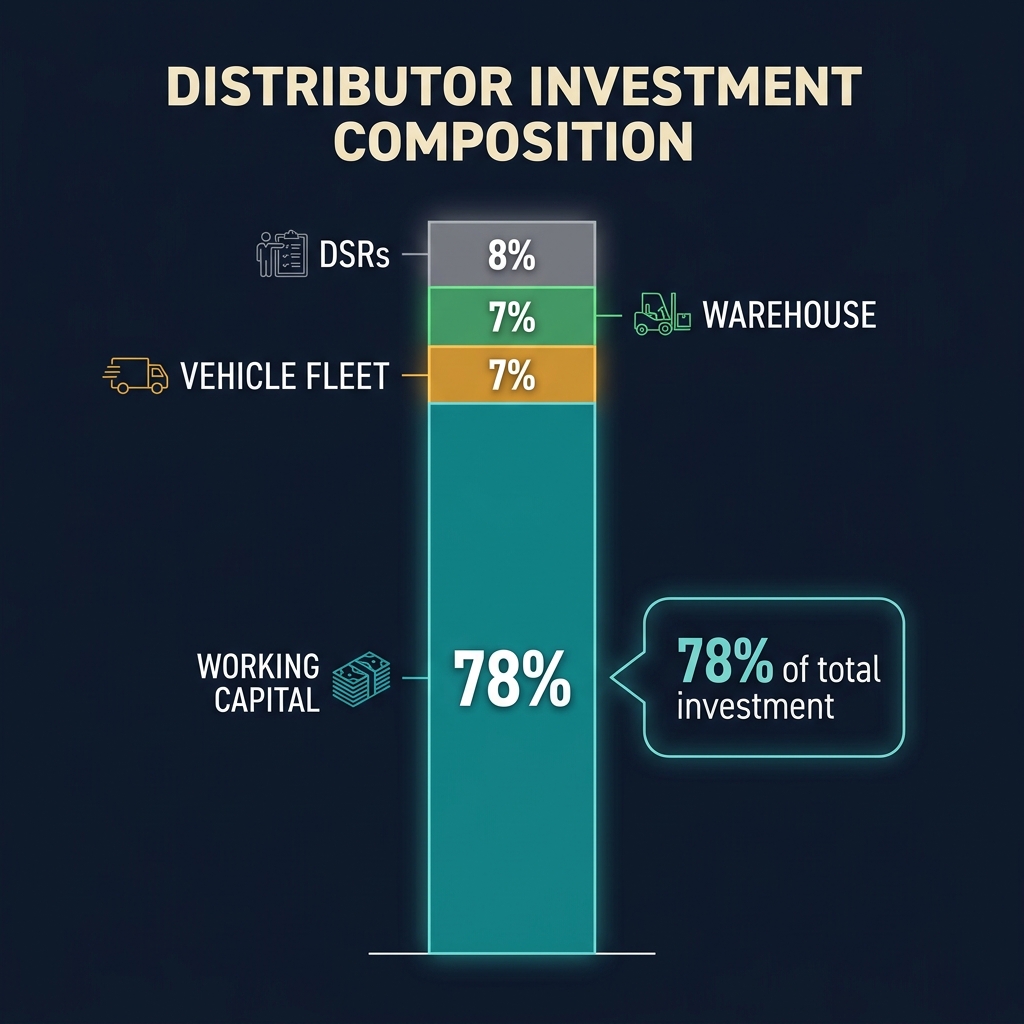
Working capital, not margins, is the dominant constraint in distributor viability and accounts for 78% of total investment. Credit terms are the real lever.
Read →
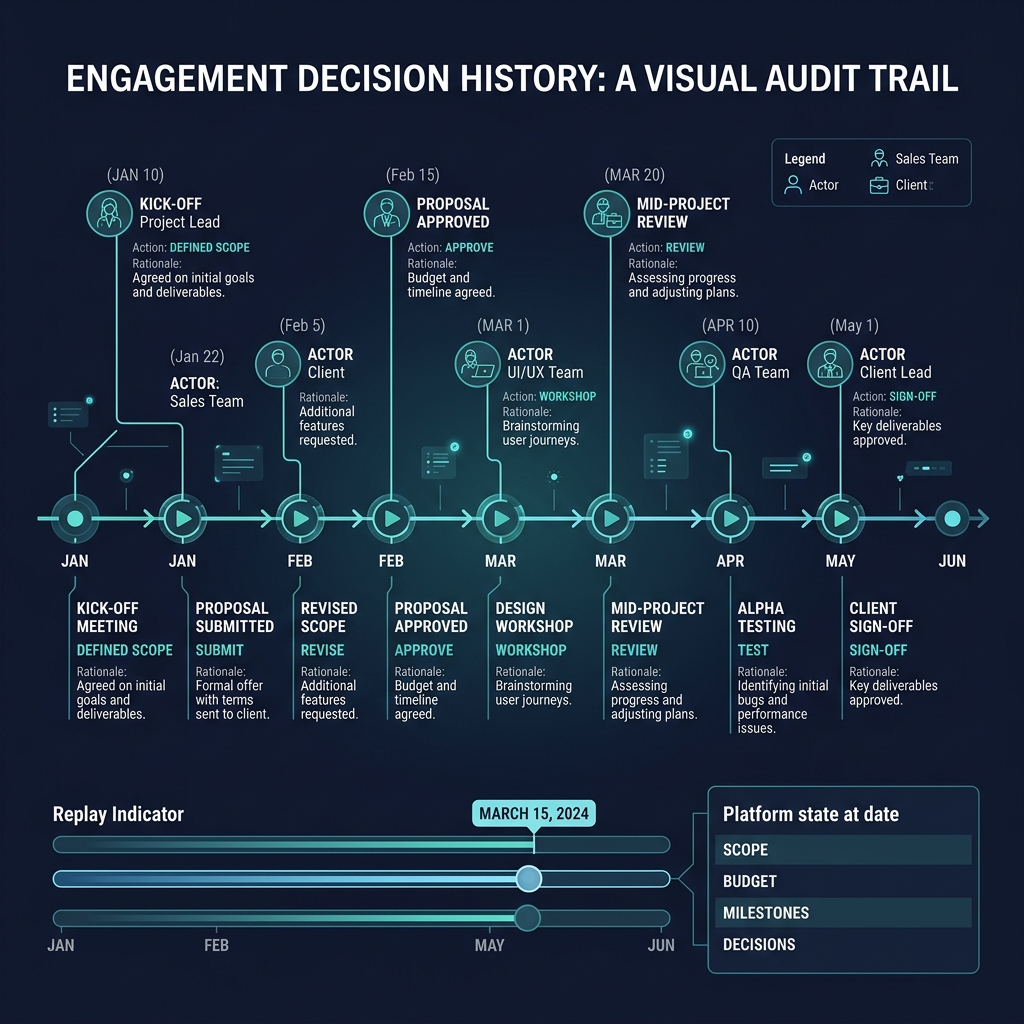
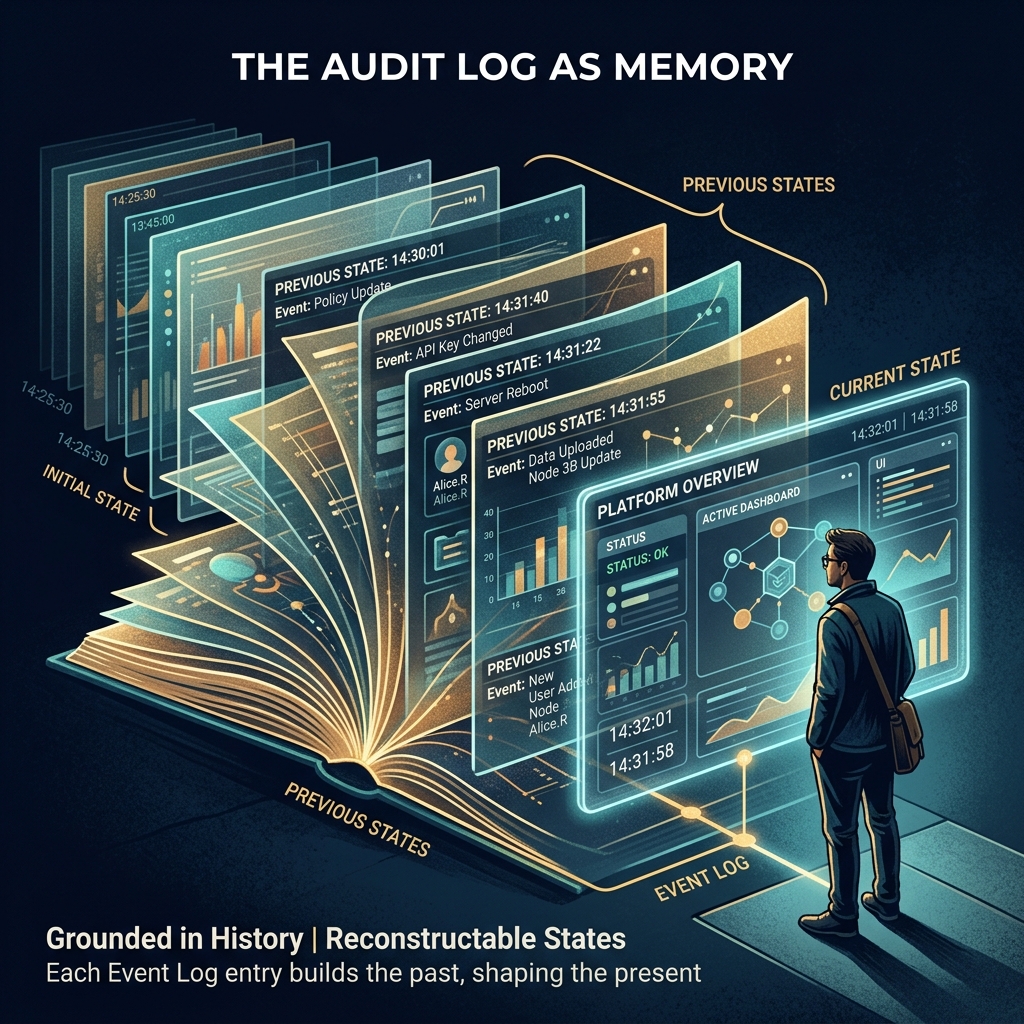
In consulting where decisions are reviewed years later, the audit log can't be a compliance feature. Writing the event before the mutation makes it the product itself.
Read →We built Strata Core for experienced distribution leaders who know what good looks like. Request a briefing and we will show you the live system - not a pitch deck.